
What is SEO, Search Engine Optimization is the whole of a set of techniques and strategies that enable a website to achieve better rankings in search engines. Its main purpose is to ensure that the website ranks high in organic search results for certain keywords in search engines. SEO studies aim for websites to be better understood by search engines and to be found more easily by users.
What does SEO stand for?
SEO stands for "Search Engine Optimization" in English and is used as "Search Engine Optimization" in Turkish. The concept of SEO is not limited to just search engine optimization; It also includes many different factors such as user experience, content quality and site performance.
Why is SEO Important?
The importance of SEO continues to be a very critical issue for brands that want to go digital. Because SEO attracts organic and relevant users to the website for free. Even though it is free, we actually need to think of it as “time”. Because SEO work is a long-term process that requires continuity. This actually causes brands to make agreements with SEO consultants and SEO agency It leads to an agreement with.
Coming back to our topic, search engines are the most commonly used tools for internet users to access information, and the traffic obtained through these tools is generally considered the most valuable traffic. The purpose of SEO is to reach your target audience more easily by ranking high on search engine results pages (SERP). Therefore, search engine optimization is an area that must be done for sustainable growth in the long term.
What is SERP?
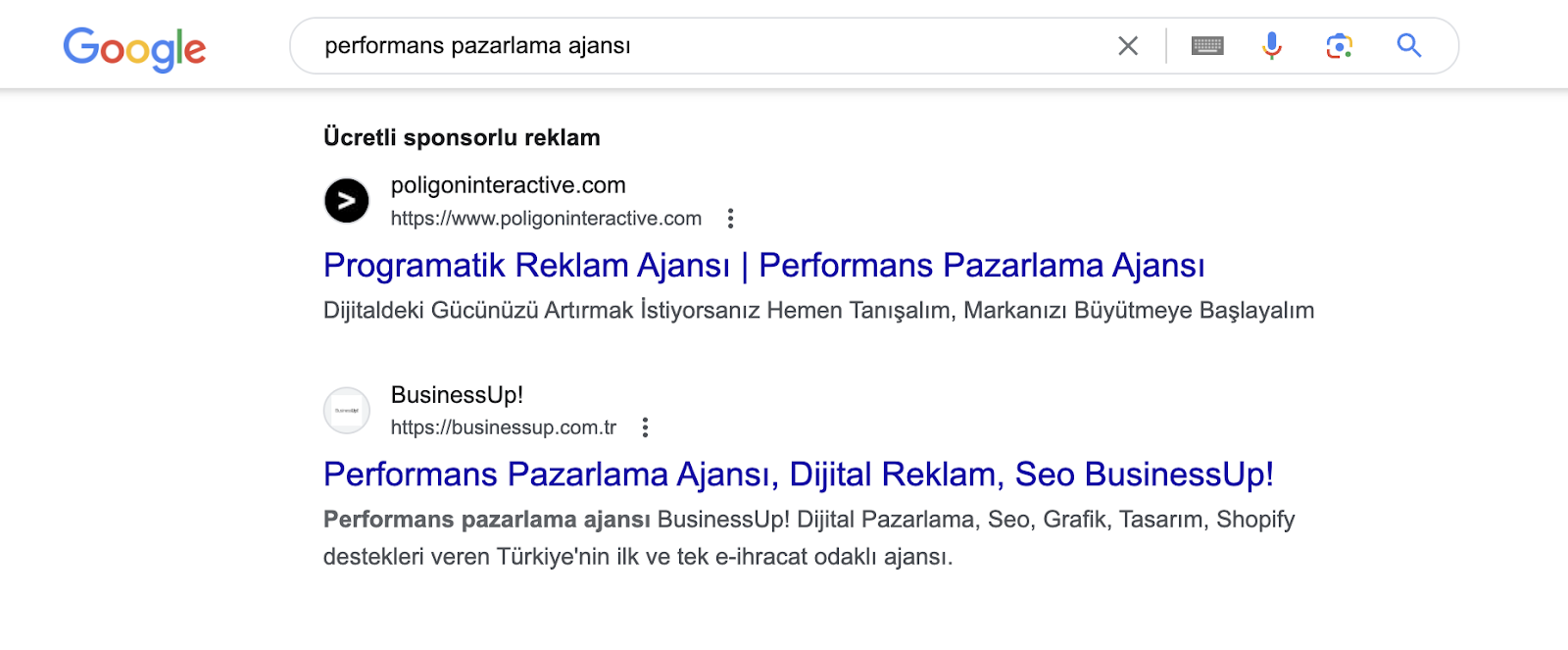
SERP is the abbreviation of the English expression "Search Engine Results Page" and means "Search Engine Results Page" in Turkish. SERP is the page that appears when a user enters a query into a search engine. This page contains organic search results, ads, and other exclusive content.
If you do not want to deal with SEO processes and want to advertise, you can visit our Google ADS Consultancy page and see our services.
What is Search Intent?
Search intent on Google - also known as "user intent" - focuses on understanding why users do a search and what they aim to find. Understanding search intent correctly allows you to shape your content according to these purposes. For example, a user searching for “best laptop” is likely doing pre-purchase research. In this case, providing detailed product comparisons in line with user intent will meet search intent.
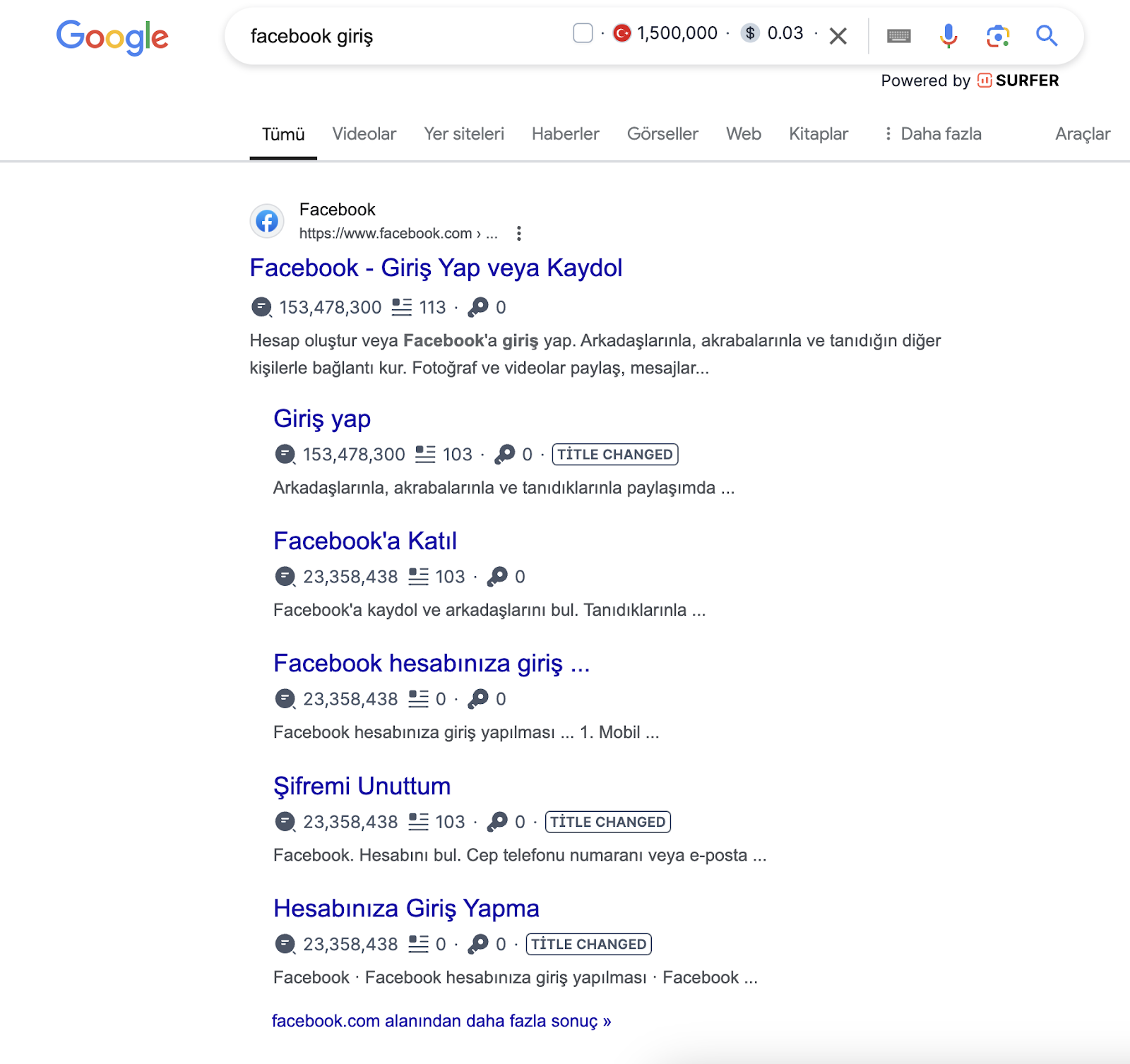
Navigational Search Intent
Users search to go directly to a specific website or page. For example, searches such as “Facebook login” fall into this category.
Informational Intent
Users search to obtain information about a particular subject. These searches usually include questions such as “what is it,” “how to do it,” “who is it?” For example, searching for “what is SEO”.
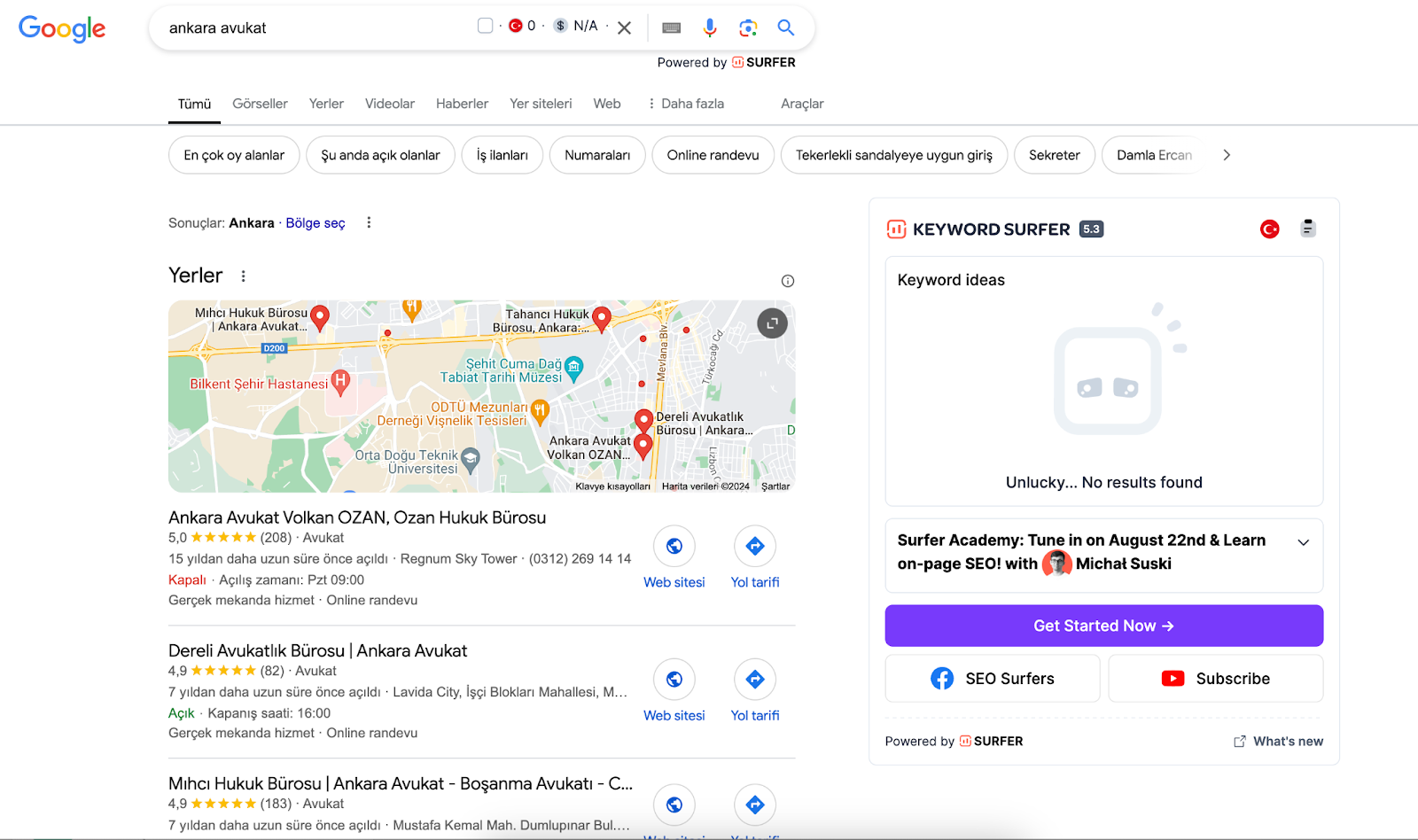
Local Search Intent
Users search to find the location of a specific place or service. These searches often include local businesses or location information. For example, “cafes nearby” or “lawyer in Ankara.” For example, the search for “buy iPhone 15” falls into this category.
Transactional Intent
Users search to purchase a product or service, make a reservation, or perform a specific action. For example, a search for “buy iPhone 15” falls into this category.
Commercial Investigation Intent
Users search to learn more about a product or service, make a comparison, or read a review. These searches are generally research conducted before a purchase. For example, a search for “best laptop 2024.”
How Do Search Engines Work?
Search engines crawl websites, index their content, and then rank that content based on users' search queries. In this process, search engines evaluate page content, keywords, links, and other factors.
1. Web Crawling
Search engines use “crawlers” or “spiders”, which are programs that constantly scan the internet and discover web pages. These tools follow links to identify any new and updated content on the internet. The crawling process begins by collecting the URLs of web pages into a list. Spiders then visit these URLs, collect the contents, and send the information to the search engine's database for next steps.
2. Indexing
The content of the scanned pages is stored in the search engine's database. In this process, content such as text, images and video are analyzed and organized to respond to search queries. Indexing is similar to organizing books in a library; where each web page is placed into a category based on the information it contains.
3. Ranking & Retrieval
When a user enters a query into the search engine, the search engine works to determine the most relevant results among the content it indexes. This process ranks based on several factors:
-
Keyword Match: How compatible the words in the query are with the words on the page.
-
Site Authority: The credibility and authority of a web page thanks to links (backlinks) from other pages.
-
User Experience: Factors such as whether the page is user-friendly, loading speed and mobile compatibility.
-
Content Quality: Providing original, up-to-date and detailed information.
4. User Link
The resulting pages are listed on the search engine results page (SERP). By clicking on one of these pages, users access the relevant content. During this process, search engines perform various tests and updates to improve the user's experience.
5. Continuous Update and Optimization
Search engines constantly update their algorithms and optimize. This evolves due to new technologies and changing user habits. SEO (Search Engine Optimization) practices should be constantly updated by web developers and content producers to adapt to these changes.
How to Do SEO?
When doing SEO optimization , attention should be paid to elements such as page content, keyword use, title tags, meta descriptions, URL structure and link structure. Additionally, technical factors such as page speed, mobile compatibility and user experience should also be considered. There are not only these items but many more. Remember that SEO requires continuity
What is Technical SEO? How Is It Done?
Technical SEO covers the technical settings and optimizations necessary for a website to be better understood and indexed by search engines. This is a branch of SEO that directly affects the structure, performance and accessibility of the website. We have listed for you the basic Technical SEO items that you should pay attention to.
1. SSL Certificate
-
What is it? SSL (Secure Sockets Layer) ensures that your website and users' data are encrypted and transferred securely. Additionally, SSL is the definitive ranking factor. Source; https://developers.google.com/search/blog/2014/08/https-as-ranking-signal?hl=tr
-
How To? Purchase an SSL certificate from your web hosting provider and install it on your site.

2. H1 Tags
-
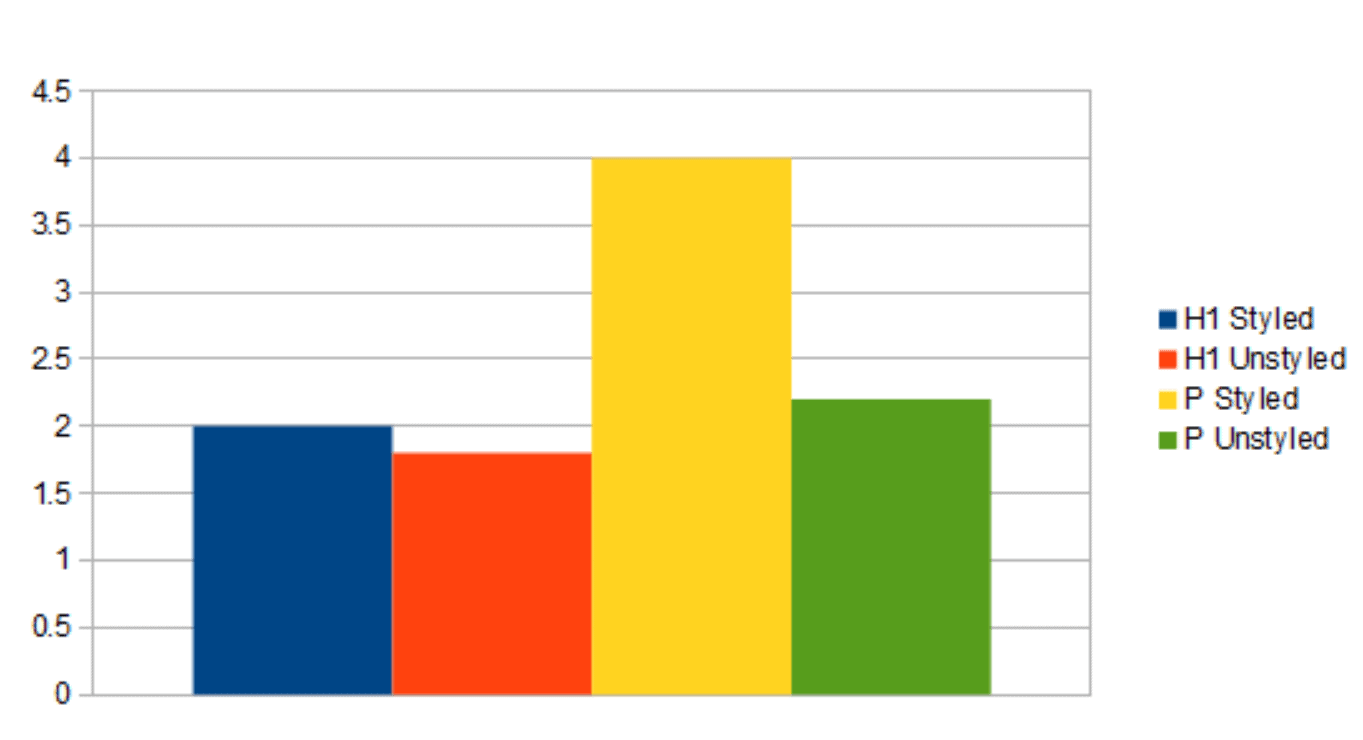
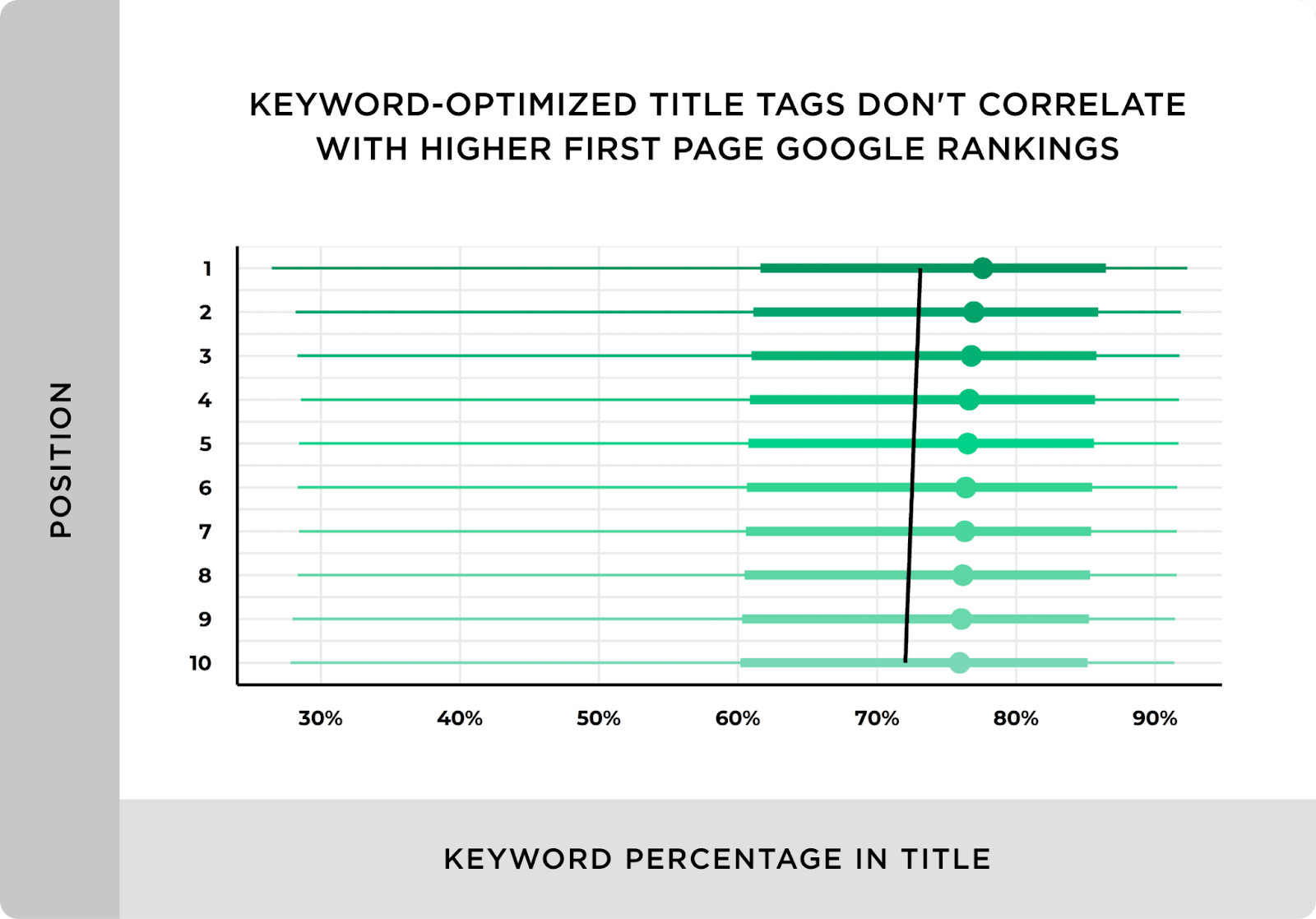
What are they? H1 tags represent the most important title of a web page and indicate the main subject of the content. According to a research conducted by Backlinko, we can see that H1 tags are used to make sense of our content to search bots.
-
How to Do? Use only one H1 tag on each page and make sure it contains the page's keyword.
3. Title Tag
-
What is it? The title tag defines the title of a web page and is displayed on search engine results pages (SERPs).
-
How To? Every page should have a unique title tag. Place the keyword at the beginning and add the brand name at the end.
4. Meta Description
-
What is it? Meta description is a short description that summarizes the content of the page and appears in the SERP.
-
How To? Write a descriptive and impressive meta description for each page, not exceeding 160 characters. Include keywords naturally.
5. URL Structure
-
What is it? The URL structure is the internet address of a web page and should ideally be clear and understandable.
-
How To? Use short, meaningful and readable URLs. Include keywords in URLs.
6. Site Map (Sitemap)
-
What is it? A site map is an XML file that lists all the pages of a website.
-
How Is It Done? Create a dynamic sitemap and submit it to Google via Google Search Console.
7. Robots.txt File
-
What is it? The Robots.txt file specifies which pages on your site search engine robots can and cannot access.
-
How To? Configure your robots.txt file to exclude required pages from indexing
8. Response Time and Loading Speed
-
What is it? Web page loading speed is a critical factor in user experience and SEO.
-
How To? Remove unnecessary JavaScript and CSS, optimize images, and use caching mechanisms to increase speed.
9. Mobile Compatibility
-
What is it? Mobile compatibility is the ability for a website to display and be used properly on mobile devices.
-
How To? Make sure your site works properly on all devices by using responsive design techniques.
10. Canonical Tag
-
What is it? The Canonical tag tells search engines which page is the main one in terms of content. This is especially important for duplicate content issues.
-
How To?
-
Identify your duplicate pages.
-
Specify the URL of the page you consider to be the original, in the format . Add tags as
-
Add this tag to the section of all pages with duplicate content.
-
11. Hreflang Tag
-
What is it? The Hreflang tag allows you to link between pages in different languages or with regional differences. This is important for multilingual sites.
-
How To?
-
Specify the appropriate ISO language code for each version of your multilingual content (e.g., en-US, en-TR).
-
Add tags like section of each page. Add tags like.
-
All alternative specify languages/regions like this.
-
12. Noindex Tag
-
What is it? The Noindex tag ensures that a particular page is not indexed by search engines. This is used for pages that you do not want to appear in search results.
-
How To?
-
The page you want to de-index section of the page you want to de-index. add the tag.
-
This tag prevents the page from being indexed by search engines.
-
What is On-Page SEO? How is it done?
On-Page SEO is the process that aims to achieve higher rankings in search engines by optimizing the content and HTML source code of a website. These optimizations are to make the page better understood by search engines and more relevant to users. Here is a step-by-step guide on how to do on-site SEO:
1. Keyword Research
-
What is it? Keyword research is a process of determining what terms your target audience searches for in search engines.
-
How To?
-
Analyze your market and niche.
-
Use tools to identify target words (Google Keyword Planner, Ahrefs, SEMrush etc).
-
Classify keywords according to search volume, competition and relevance.
-
With SEMrush, you can easily do keyword research from the “Keyword Magic Tool” tab. It would be better to write your seed keyword to give better results.
For example, when we searched for "Dress", it suggested us many more keywords, but if we had written "black dress", we would have a much more niche keyword list.
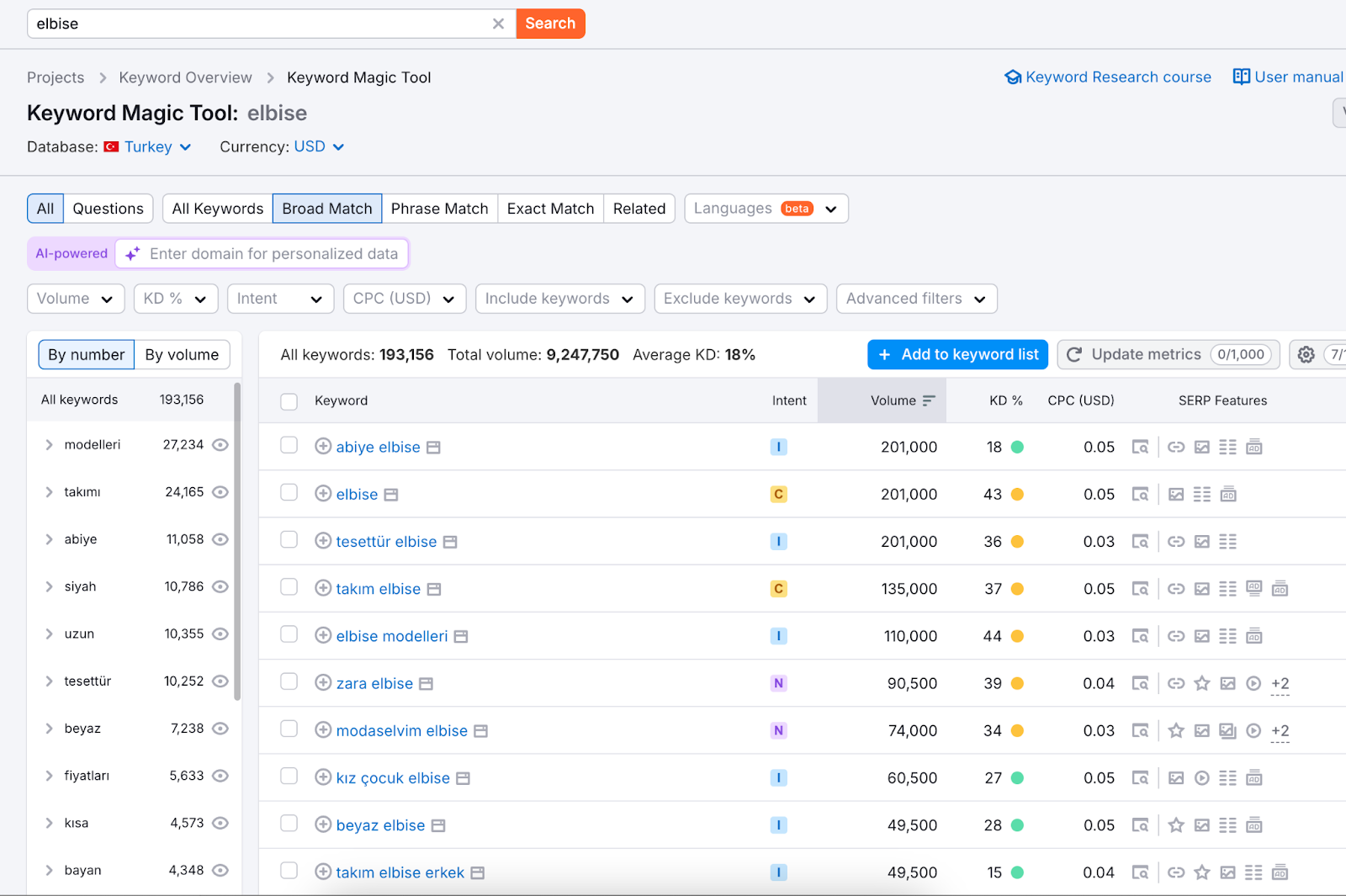
If you want to get the same results for free, you can use the "Google Keyword Planner" tool.
2. Title Tags
-
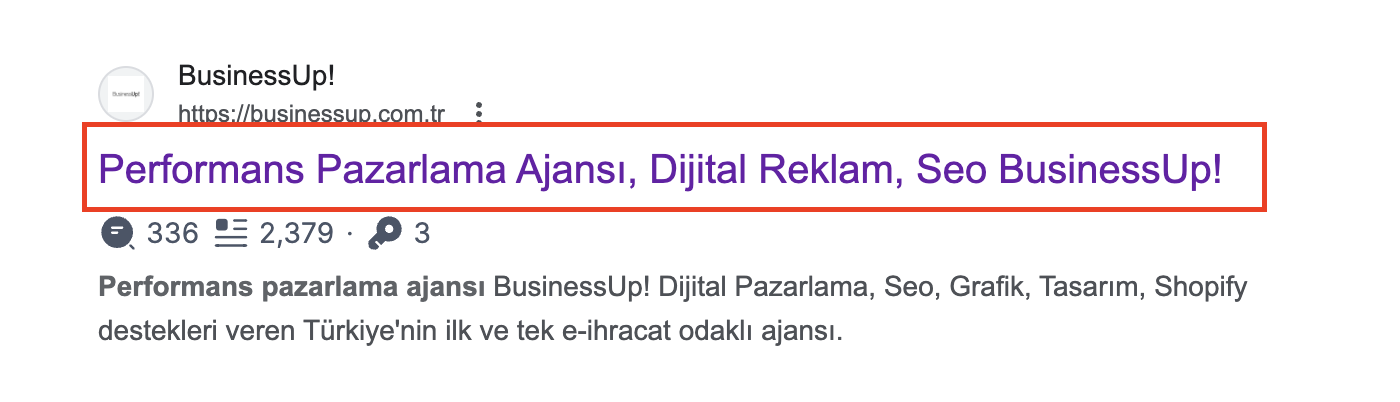
What are they? Title tags define the title of a web page and appear in the SERP.
-
How To?
-
Use unique and descriptive titles for each page.
-
Position keywords near the beginning in the title.
-
Keep the title length between 50-60 characters.
-
3. Meta Descriptions
-
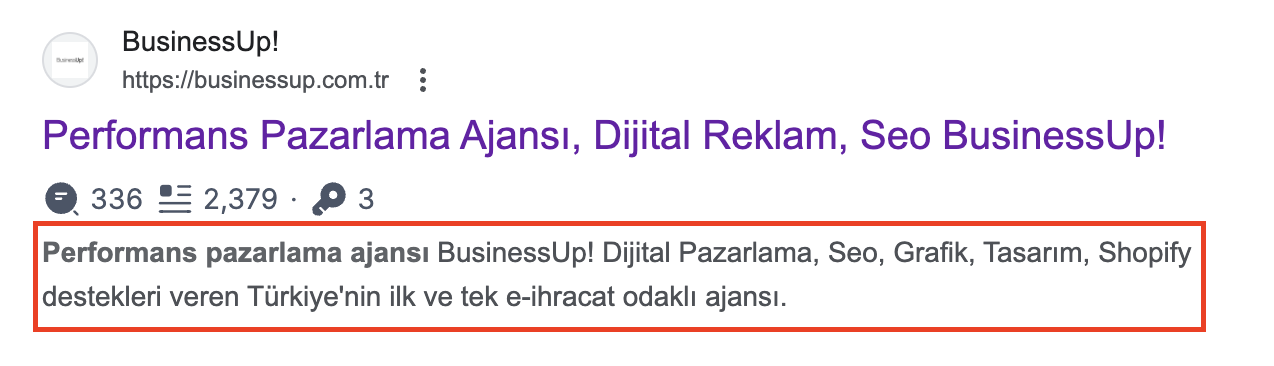
What is it? Meta descriptions are a short text that summarizes the content of the page and appears in the SERP.
-
How To?
-
Write a description between 150-160 characters for each page.
-
Conclude the description with an impressive text that includes a call to action. finish.
-
Place keywords naturally.
-
4. Heading Tags (H1, H2, H3…)
-
What are they? Heading tags determine the content hierarchy of the page.
-
How To?
-
Use H1 for the main heading and make sure to use it only once.
-
Use H2 and H3 tags for subheadings to divide the content into logical sections. separate.
-
Use keywords strategically in titles.
-
5. Content Optimization
-
What is it? Content optimization is the process of optimizing the text, visual and multimedia content of the page for users and search engines.
-
How to Do It?
-
Produce relevant and detailed content.
-
Use keywords in a natural flow.
-
Optimize images and videos with “alt” texts.
-
6. URL Structure
-
What is it? URL structure is the web address of the page and is important for SEO.
-
How to do it?
-
Use short and meaningful URLs.
-
Include keywords in URLs.
-
Avoid unnecessary parameters. avoid.
-
Example; “https://businessup.com.tr/e-ticaret-danismanligi/”
-
7. Internal Linking
-
What are they? Internal links are links established between different pages of a site.
-
How To?
-
Add logical links to relevant content.
-
Meaningful anchor text. Use it.
-
Create links that will allow users to spend more time on your site.
-

On-site SEO applications are an important process that needs to be constantly updated and directly affects the overall performance of your site. These steps can significantly improve your visibility on search engines and your user experience. Therefore, do not hesitate to pay sufficient attention to all SEO steps.
What is Off-Page SEO? How To?
Off-Page SEO includes elements such as your website's links from other sites, social media interactions, and overall online reputation.
A successful SEO strategy is supported by backlinks from quality and authoritative sites. These links are considered by search engines as a sign of credibility and authority. When asked what is SEO optimization, it should not be forgotten that off-site factors are also an important part of this process. You can achieve more effective results by considering off-site optimizations in your Google SEO strategy.
Why is User Experience (UX) Important?
User experience (UX) refers to the overall experience a user has when he visits your website. A good SEO strategy aims to create a website that is optimized not only for search engines but also for users. A user-friendly website allows visitors to stay on the site longer, which sends a positive signal to search engines.
As part of the question of what is SEO optimization, improving user experience is of great importance. Users prefer websites that load quickly, are easy to navigate, and are mobile friendly. Prioritizing user experience when doing SEO website optimization allows you to achieve better rankings in search engines.
Methods to Stay Away From: What is Black Hat SEO?
Black Hat SEO is an SEO approach that tries to artificially increase the rankings of websites by using techniques contrary to the guidelines of search engines. Although such practices generally provide short-term gains, they may cause the site to be penalized in the long term or even be removed from search results altogether. It may be perceived as spam by search engines and may reduce the ranking of the page.
Black Hat SEO Methods
-
Keyword Stuffing
Excessively and unnecessarily repeating keywords on a web page in a way that disrupts the natural flow of content. It may be perceived as spam by search engines and may lower the page's ranking.
-
Cloaking and Hidden Text
To show different content to search engines and users or to hide visual content by using texts in the same color as the page color.
-
Doorway Pages Pages)
Creating pages that are optimized only for search engines, do not add any value to the user and often redirect the user to another page.
-
Excessive Link Exchange and Artificial Link Building (Link Farms and Paid Links)
Buying links from irrelevant sites or link farms for the purpose of manipulating SEO rankings. Google's Penguin update can detect such links and penalize the relevant sites.
-
Spam Comments
Making meaningless comments on platforms such as blogs and forums using automated tools and adding links to their own sites in these comments.
-
Content Duplicating (Scraping)
Copying content from other sites and presenting this content as original on your own site.
-
Automated Content Creation
Using automated tools to produce non-meaningful or low-quality content. Poor content quality can negatively impact user experience and lead to negative rankings by search engines.
Staying away from Black Hat SEO methods is critical to the long-term health and sustainability of your site. Google and other search engines actively penalize sites that attempt to cheat rankings using such techniques. Instead, focusing on ethical and sustainable SEO practices (White Hat SEO) creates more valuable results for both search engines and users.
How Can I Measure My SEO Performance?
Measuring SEO performance gives you an understanding of how effective your strategy is and helps you make necessary improvements. One of the answers to the question of what is SEO optimization is that performance tracking is a part of this process. You can use Google Analytics, Google Search Console, and other SEO tools to measure the performance of your SEO website.
These tools allow you to analyze data such as organic traffic, rankings, click-through rates, and user behavior. It is important to track this data regularly to evaluate the effectiveness of your Google SEO strategy. During the SEO management process, you can increase the performance of your website by developing strategies in line with the data obtained. In this way, you can rank higher in search engine results pages and attract more organic traffic. Corporate web design agency With our service, we install Google Analytics 4 and Google Search console tools instead of you.
Frequently Asked Questions
How to Write an SEO Compatible Article or Content?
To write SEO compatible articles, it is important to choose the keywords correctly and place them naturally in the content. The article's title, subheadings and meta descriptions should include these keywords. The content should present the information the reader is looking for in a complete and understandable manner. Additionally, it is beneficial for SEO to include keywords in the alt texts of the images used in the content. All of this helps Google better understand your content and help you rank higher.
What Are Google Webmaster Guidelines?
Google Webmaster Guidelines contain the rules that websites must follow to perform better in search engines. These guidelines cover SEO techniques such as creating quality content, proper site structure, and mobile compatibility. It also emphasizes supporting sites that improve user experience and are spam-free. Google's algorithm updates are frequently made to better rank sites that comply with these rules.
What is the Difference Between SEO & SEM?
SEO (Search Engine Optimization) refers to the work done to rank higher in organic search results. SEM (Search Engine Marketing) includes both SEO and paid advertising. SEM includes paid advertising campaigns on platforms such as Google Ads and allows you to quickly reach the targeted audience. In short, while SEO is a long-term strategy, SEM is used to achieve quick results.
What is SEO and what does it do?
SEO is a set of techniques that enable websites to be found more easily by search engines and to rank higher in the rankings. Correct SEO practices ensure that the site receives organic traffic, increases brand awareness and therefore increases revenues. SEO studies include various techniques such as content optimization, keyword analysis, backlink building, and thus increase the reliability and accessibility of the site.
Who is Called an SEO Expert?
SEO expert is the person who plans and implements the necessary strategies for websites to perform better in search engines. It conducts keyword research, recommends content optimization, and works on valuable SEO elements such as backlinks. Additionally, it performs site analysis and identifies areas that need improvement and reports them. The aim of the SEO expert is to ensure that the site ranks higher in organic search results.
How to Become an SEO Expert?
To become an SEO expert, it is necessary to gain in-depth knowledge of digital marketing and SEO. Various online courses, certifications and learning constantly updated SEO techniques are the steps to be taken on this path. Additionally, it is important to gain experience by working on real projects and adapt to changes in the industry. SEO experts must also have analytical thinking ability and problem-solving skills.
How Much Do SEO Experts Earn?
SEO experts' earnings vary depending on experience, country and company they work for. In Turkey, entry-level SEO experts can earn between 5,000-10,000 TL per month, while more experienced experts can earn 20,000 TL and above. In countries such as the United States, these figures may vary between 50,000-100,000 USD annually.
What is Organic Traffic?
Organic traffic refers to natural visits to websites from search engines. This type of traffic is obtained as a result of natural searches that users make on search engines, not through paid advertisements or sponsored links. Organic traffic is an important metric that indicates the success of SEO efforts and often attracts high-intent users because these users visit the site with a specific search intent.
How Can I Improve My Business with SEO?
To improve your business with SEO, your website must first have a solid foundation in terms of SEO. You should do good keyword research and use these keywords strategically in your content. Additionally, by improving the user experience, you should ensure that your site is liked more by users and visited for longer periods of time. Regular content updates and quality backlinks will also increase your organic rankings. If you have an e-commerce site, you can get e-commerce consultancy service from BusinessUp or you can read our E-commerce SEO guide for basic knowledge.


